Timothy Omobude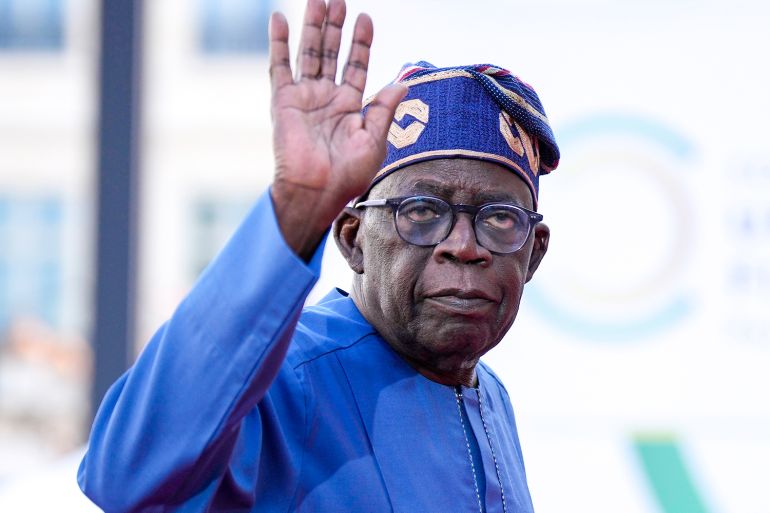
By (I.T) Samuel Adeolu
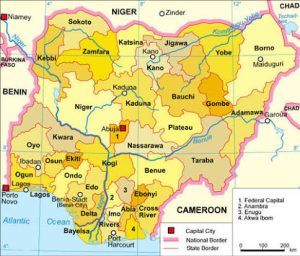
The Presidency has clarified that the Federal Government has not abandoned the original 750-kilometre Lagos–Calabar Coastal Highway, following growing controversy over reports that part of the project could be diverted through the existing East-West Road.
The clarification comes after Minister of Works, David Umahi, said the government planned to use parts of the existing East-West Road corridor in the Niger Delta instead of constructing an entirely new alignment in some areas.
Umahi had explained that the decision was influenced by difficult terrain, flooding and the high cost of constructing a new route along parts of the original alignment, particularly in Ondo State. He said some areas along the proposed route contained pits more than 100 metres deep, making construction significantly more expensive.
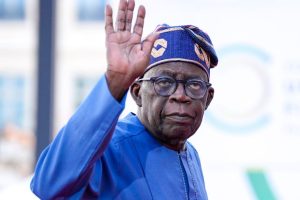
However, the Presidency, in a statement issued on Tuesday, October 14, said President Bola Ahmed Tinubu had not directed the abandonment or discontinuation of the 750-kilometre coastal highway.
According to the Presidency, the proposed reconstruction of about 400 kilometres of the East-West Road from Edo to Cross River is an additional infrastructure project and will not replace the Lagos–Calabar Coastal Highway.
The government said the East-West Road requires major intervention because sections of the route are vulnerable to flooding and have suffered serious pavement deterioration.
The clarification was issued amid mounting concerns from political figures, lawyers and communities in Ondo State over whether the reported route adjustment could reduce the economic benefits originally expected from the coastal highway.
Ondo Communities Demand Transparency
The controversy has particularly attracted attention in Ondo State, where coastal communities in Ilaje Local Government Area have expressed concerns over the reported realignment.
The Ilaje Omuro Community Connect recently petitioned the Federal Government, the National Assembly and relevant anti-corruption agencies, calling for an independent engineering assessment and a comparative audit of the original and revised routes.
The group also requested that the government publish relevant technical and financial documents explaining the proposed changes.
An African Democratic Congress candidate for the Ondo East/Ondo West Federal Constituency, Niyi Akingunola, also questioned the legality of altering the approved route, design or cost of the project without following the required procurement and appropriation procedures.
Government Says Project Is Still On Course
Despite the controversy, the Presidency maintained that construction of the Lagos–Calabar Coastal Highway remains part of the Federal Government’s infrastructure programme.
The government said work is ongoing on several sections, including portions covering Ogun and Ondo states, while survey and design activities are continuing on sections further east toward Edo, Delta, Bayelsa and Rivers states.
The Presidency added that procurement and construction of the remaining sections would commence after the necessary survey and design work is completed.
The Federal Government has therefore maintained that the East-West Road intervention is an additional project and should not be interpreted as the abandonment of the coastal highway.
The controversy, however, has continued to fuel calls for greater transparency over the project’s final alignment, cost, engineering considerations and expected economic benefits for communities along the Ondo coastline.
For residents and stakeholders in Ondo State, particularly coastal communities in Ilaje, the key concern remains whether the final route will preserve the original promise of connecting coastal communities to major economic and transportation corridors.
The Federal Government is expected to provide further clarification as work progresses on both the Lagos–Calabar Coastal Highway and the proposed East-West Road reconstruction.