Timothy Omobude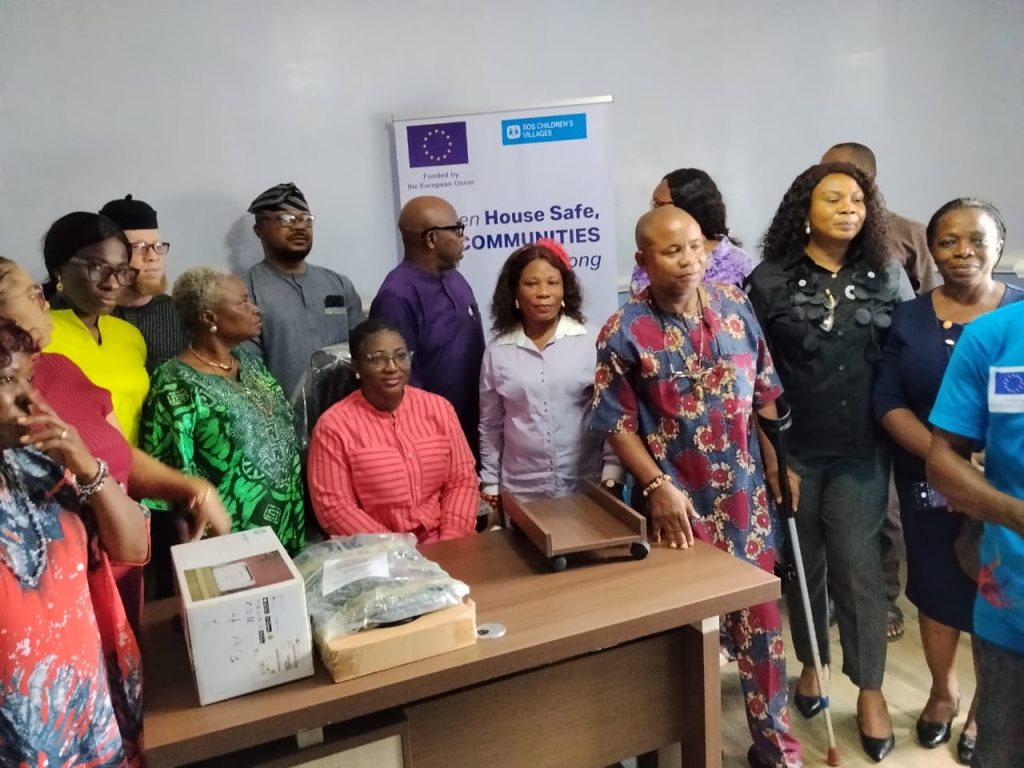
SOS Children’s Villages Nigeria, with support from the European Union (EU), has called for stronger collaboration among government agencies, civil society organisations, communities and development partners to strengthen the protection and enforcement of children’s rights in Nigeria.
The organisation made the call during the inauguration of the Child and Youth Ombuds Office in Edo State, established to improve children’s access to justice, accountability and protection.
SOS Inaugurates SBCPC in Edo
Project Manager of SOS Children’s Villages Nigeria, Innocent Maduekwe, said effective child protection required a coordinated response from all stakeholders, particularly in preventing and addressing abuse, neglect, exploitation, violence and other violations against children.
Maduekwe said the initiative was being implemented under the EU-funded Strengthening Child Care and Protection Systems in Nigeria (SCPSN) project, with SOS Children’s Villages Nigeria working in consortium with the Civil Society Legislative Advocacy Centre (CISLAC) and Jireh Doo Foundation (JDF).
He said, “the Child and Youth Ombuds Office, established in collaboration with the National Human Rights Commission (NHRC), would provide a safe and child-friendly platform through which children and young people could report violations, seek redress and have their concerns addressed.”
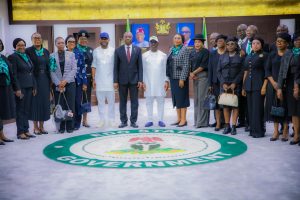
Edo State Polytechnic Usen Governing council
According to him, caregivers, whistleblowers and members of the public could also use the platform to raise concerns and access appropriate referral and response services.
Madueke said the office would complement existing child protection structures by ensuring that children’s voices were heard and that decisions concerning them were guided by their best interests.
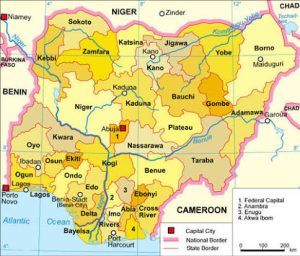
He explained that the SCPSN project was aimed at strengthening childcare and protection systems in Edo, Borno and Plateau states, as well as at the national level, through improved policy implementation, institutional capacity building and community empowerment.
Madueke also disclosed that the project had also organised a two-day capacity-building programme for NHRC personnel from the Federal Capital Territory, Edo, Plateau and Borno States.
The training, he said, focused on the Child and Youth Ombuds model, child rights, child-friendly complaint handling, safeguarding, case management, referral pathways, monitoring and accountability mechanisms.
Speaking at the event, the State Coordinator of the NHRC in Edo State, Olumide Dosumu, said the Ombuds System was designed to complement existing laws and mechanisms for protecting children in the State.
Dosumu, who is also Deputy Director, Research, NHRC, said the initiative would empower children to speak up and seek redress whenever their rights were violated.
He noted, “Edo State already had a Child Rights Law, stressing that the Ombuds System would work alongside existing legislation and child protection activities.
“This is about protection of the rights of a child and empowerment of the child. The Ombudsman System is child-friendly. It provides a platform where children can come to report cases of abuse and violation independently of an adult,” he said.
Dosumu disclosed that two trained officers had been designated to manage the Ombuds unit at the NHRC office in Edo State.
He said the officers would receive complaints and ensure that cases brought before the system received appropriate attention.
Also speaking, the Director, Stakeholders Management Department, Edo State Ministry of Education, Mrs Agbonze Ehijie, said protecting children’s rights required collective responsibility from families, communities, government institutions and other stakeholders.
She said the Ministry of Education dealt with children from the early stages of their development through their school years and beyond, making child protection a major concern for the ministry.
“The programme is centred around the child, how well the child’s rights can be protected by citizens around, by family, by community, everybody around. So it’s a collaborative issue,” she said.
Ehijie said bringing different stakeholders together would help create an environment where children could live and develop safely within society.